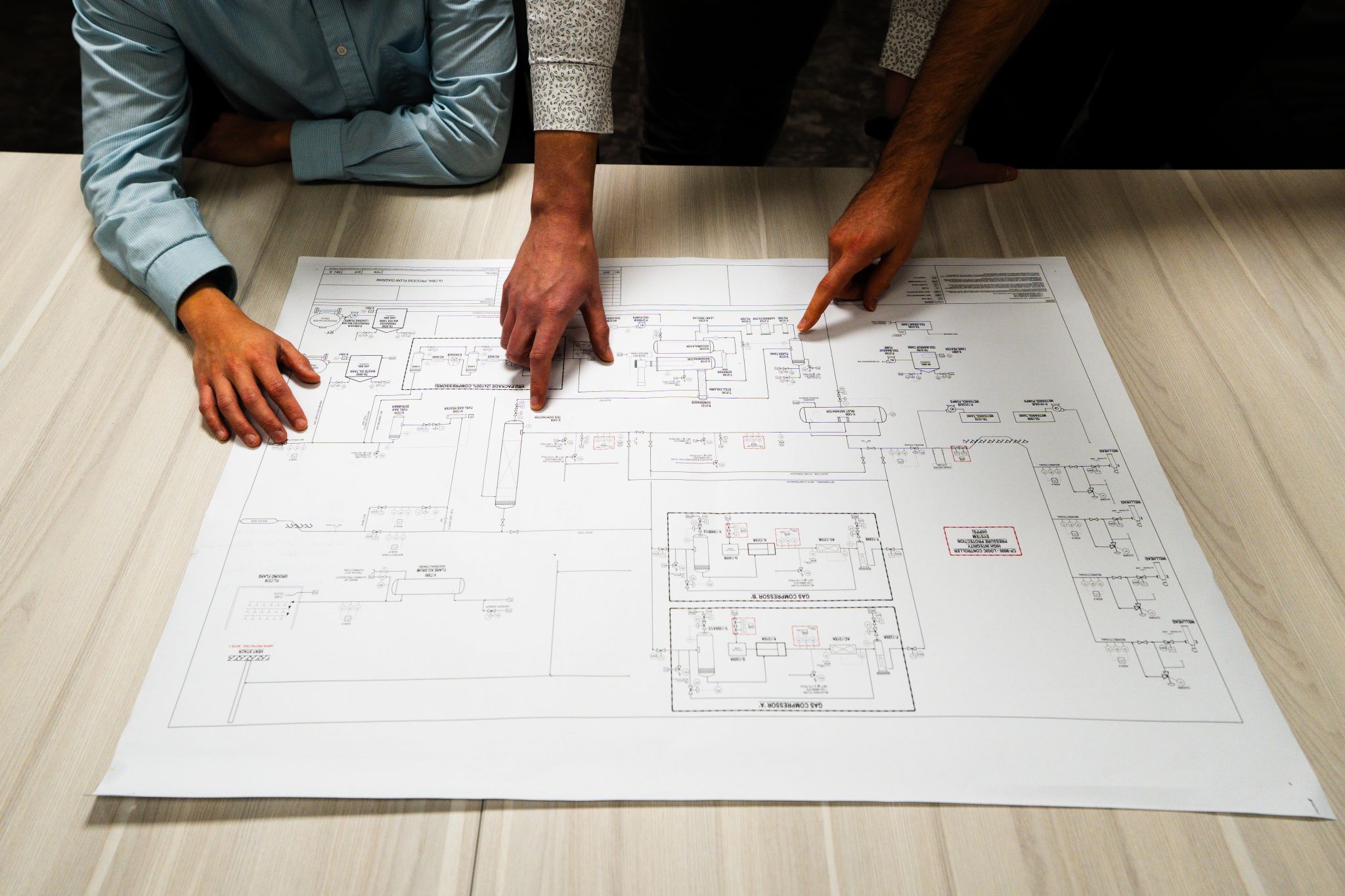
Energy processing facilities require precise coordination between engineering design, equipment procurement, and fabrication. When these disciplines operate independently, projects often face delays, design conflicts, and unexpected costs.
An integrated approach to engineering and fabrication helps streamline project delivery while maintaining strong quality control.
Why Integration Matters
In many traditional project models, engineering is completed by one organization while fabrication is performed by another. While this structure can work, it often introduces communication gaps during the transition from design to manufacturing.
Design decisions that appear efficient on paper may require modifications once fabrication begins. These adjustments can lead to rework, schedule delays, and increased project costs.
When engineering and fabrication teams collaborate within the same project environment, potential issues can be identified earlier in the design process.
Improved Design for Fabrication
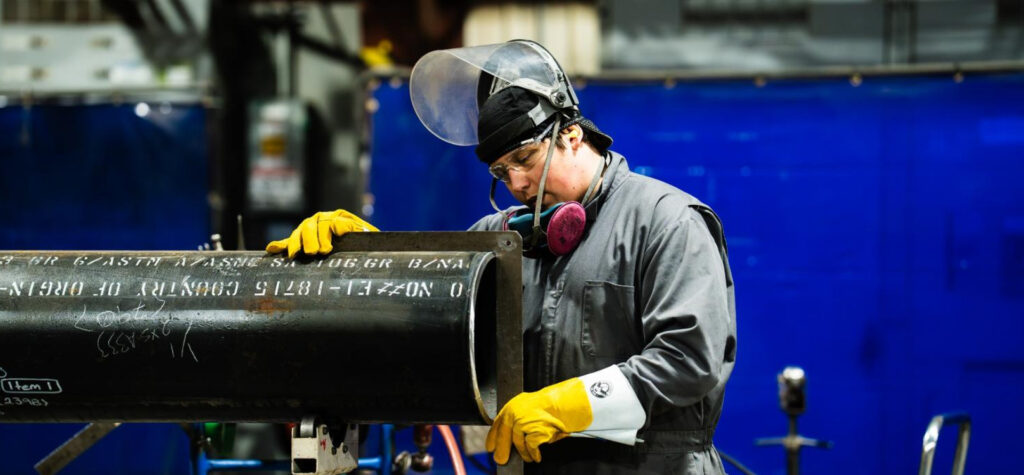
Fabrication teams bring practical manufacturing knowledge that can improve equipment design. By working closely with engineers during early project stages, fabrication specialists can help optimize:
- Material selection
- Weld accessibility
- Component tolerances
- Equipment transportability
- Modular assembly strategies
These considerations help ensure that equipment designs are not only technically sound but also practical to manufacture and assemble.
Faster Project Execution
Integrated teams allow engineering and fabrication activities to progress in parallel rather than sequentially.
For example, once early design packages are approved, fabrication planning can begin while detailed engineering continues. This approach helps shorten overall project timelines and provides better schedule predictability.
Better Cost Visibility
When fabrication is closely aligned with engineering, project teams gain earlier insight into manufacturing costs, material requirements, and production schedules.
This visibility helps improve budgeting accuracy and reduces the likelihood of unexpected fabrication adjustments later in the project.
Supporting Complex Processing Facilities
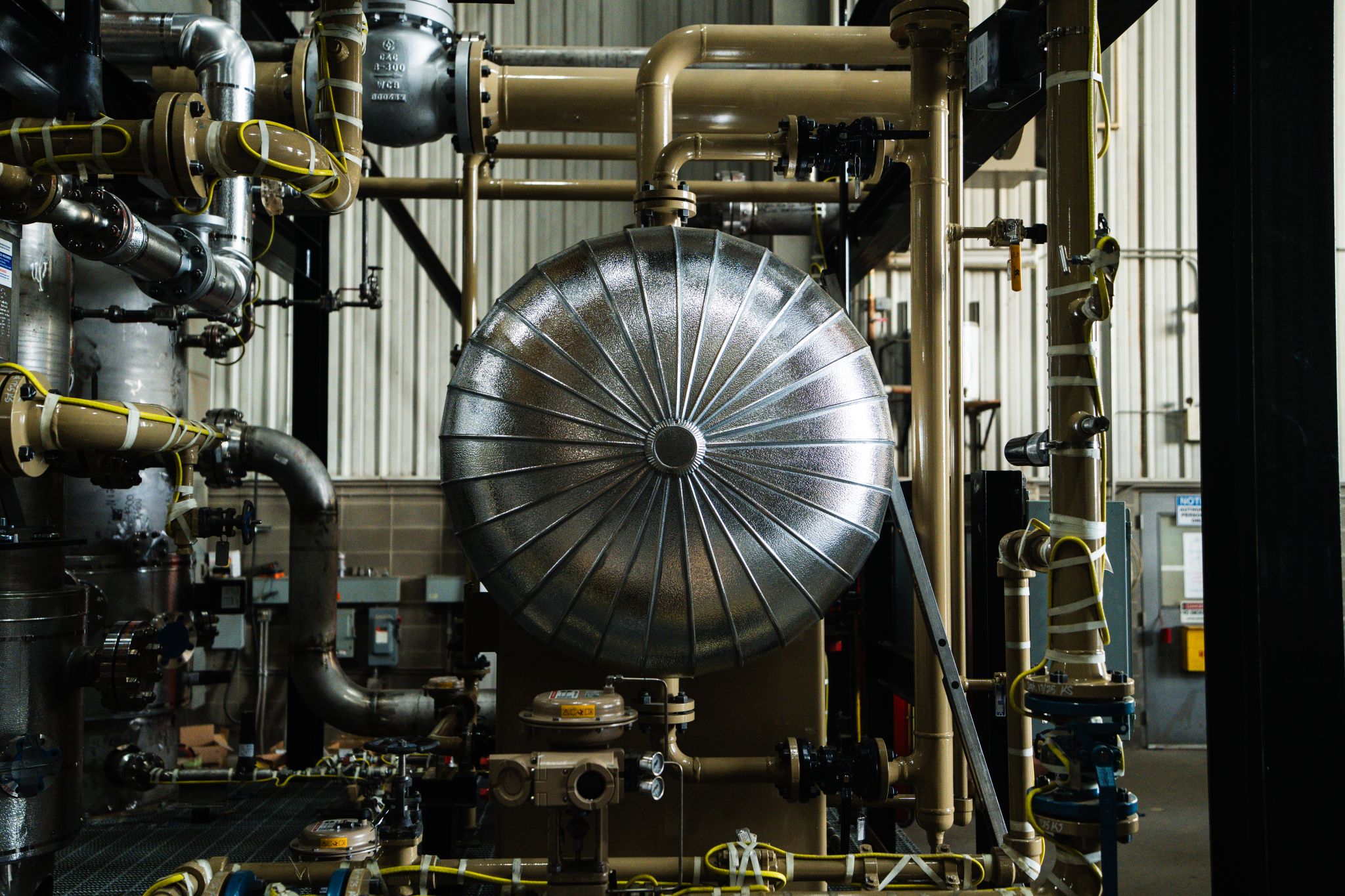
Modern energy projects often involve specialized equipment such as separation systems, heat exchangers, pressure vessels, and modular process packages. These systems must be carefully designed and fabricated to meet strict safety and performance standards.
An integrated engineering and fabrication model supports this complexity by ensuring that every stage of the project—from design through fabrication—remains coordinated and aligned.
Final Thoughts
Successful energy projects depend on clear communication, technical expertise, and efficient execution. Integrating engineering and fabrication within a single project workflow helps reduce risk, improve quality, and support more reliable project delivery.