Oil processing facilities rely on a range of specialized equipment to separate, heat, stabilize, and transport crude oil streams. Proper equipment design plays a critical role in ensuring reliable operations and long-term performance.
Engineers must consider several technical and operational factors when designing equipment for crude oil processing systems.
Understanding Process Requirements
The first step in equipment design is understanding the characteristics of the incoming crude stream. Properties such as viscosity, water content, gas composition, and temperature influence the type of processing equipment required.
These factors determine how separation systems, heaters, and stabilization equipment must be configured.
Separation and Treating Systems
Oil processing facilities often include multiple separation stages to remove gas, water, and solids from crude oil.
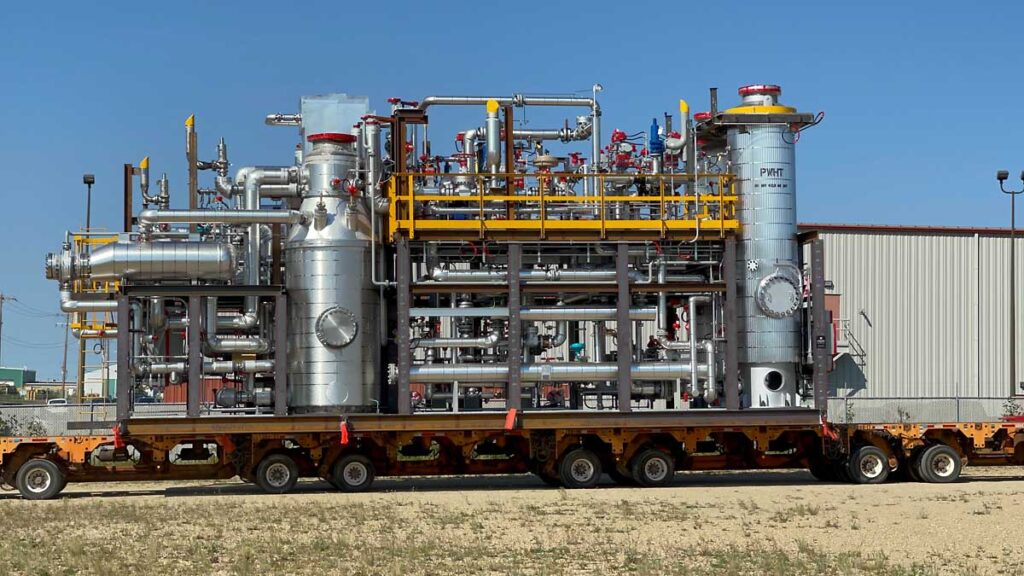
Equipment such as separators, heater treaters, and electrostatic treaters are commonly used to support this process. Each unit must be designed to handle the expected flow rates and operating pressures while maintaining stable separation performance.
Heat Transfer Equipment
Heat exchangers and heating systems play an important role in crude processing. Heating the crude stream can help improve separation efficiency and reduce viscosity, allowing water and gas to separate more effectively.
Engineers must carefully evaluate heat transfer requirements, temperature limits, and energy efficiency when designing these systems.
Pressure and Safety Considerations
Processing equipment must operate safely under varying pressure conditions. Pressure vessels, piping systems, and structural components must meet industry codes and standards to ensure safe operation throughout the facility lifecycle.
Safety systems, instrumentation, and control integration are also important parts of the overall design process.
Fabrication and Constructability
Designing equipment that performs well in the field also requires an understanding of fabrication methods.
Considerations such as weld design, material availability, and transport limitations influence how equipment should be engineered. Early collaboration between engineers and fabrication teams helps ensure that designs can be manufactured efficiently.
Conclusion
Oil processing equipment must balance process performance, safety, and manufacturability. By carefully evaluating process conditions and fabrication requirements, engineering teams can design equipment that supports reliable facility operations for years to come.